Introduction
Continuous evolution is essential for organizations that want to stay competitive in a rapidly changing technological landscape. Businesses must adapt, innovate, and optimize processes to maintain long-term growth and efficiency.
The Importance of Adaptability
Organizations that are flexible and responsive to change outperform their competitors:
- Quickly adapting to new technologies and market demands.
- Aligning strategies with evolving customer expectations.
- Implementing continuous improvement cycles in products and services.
Continuous Learning & Upskilling
Employee skills must evolve alongside technology:
- Regular training on emerging tools, software, and methodologies.
- Fostering a culture of knowledge sharing and innovation.
- Encouraging certifications, workshops, and professional development programs.
Technology & Process Optimization
Leveraging technology for operational efficiency is crucial for growth:
- Automating repetitive tasks to free up human resources for strategic work.
- Optimizing supply chains, workflows, and customer support systems.
- Regularly updating IT infrastructure and software tools to reduce downtime and enhance performance.
Measuring Success
Monitoring progress ensures continuous improvement:
- Setting clear KPIs and measurable objectives for all processes.
- Using analytics and reporting tools to track performance and outcomes.
- Regularly reviewing strategies to identify areas for refinement or innovation.
The Human Factor
Technology alone cannot drive evolution—people are key:
- Empowering employees to take initiative and innovate.
- Encouraging cross-functional collaboration and knowledge sharing.
- Maintaining employee engagement and motivation to foster sustainable growth.
Conclusion
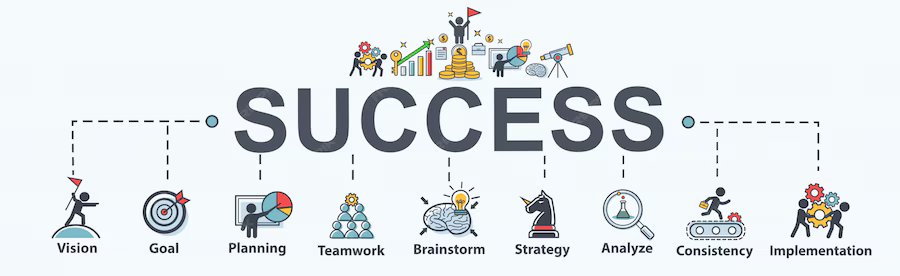
Continuous evolution is not a one-time effort—it is an ongoing commitment to improvement, learning, and adaptation. Organizations that embrace this mindset can thrive in the face of change, outperform competitors, and achieve long-term success.